

The Difference Between Being Alone and Solitude
There is a moment that reveals everything: you are sitting in a quiet room, no phone in hand, no plans for the evening, nobody expected to call. For some people, this moment triggers a low hum of dread, a restlessness that says something is missing, I should be doing something, I should be with someone. For others, the same moment feels like coming up for air. Same circumstance. Two entirely different inner worlds.

Joy is Part of Nourishment
When we think about nutritional therapy, it is natural to think first about food.
What are we eating? Are we getting enough protein, fiber, healthy fats, vitamins, and minerals? How is digestion functioning? How are energy, sleep, and stress?
But one of the things emphasized in our Nutritional Therapy program is something that may initially seem unrelated to nutrition:
Joy.
Truth in the Eye of the Beholder
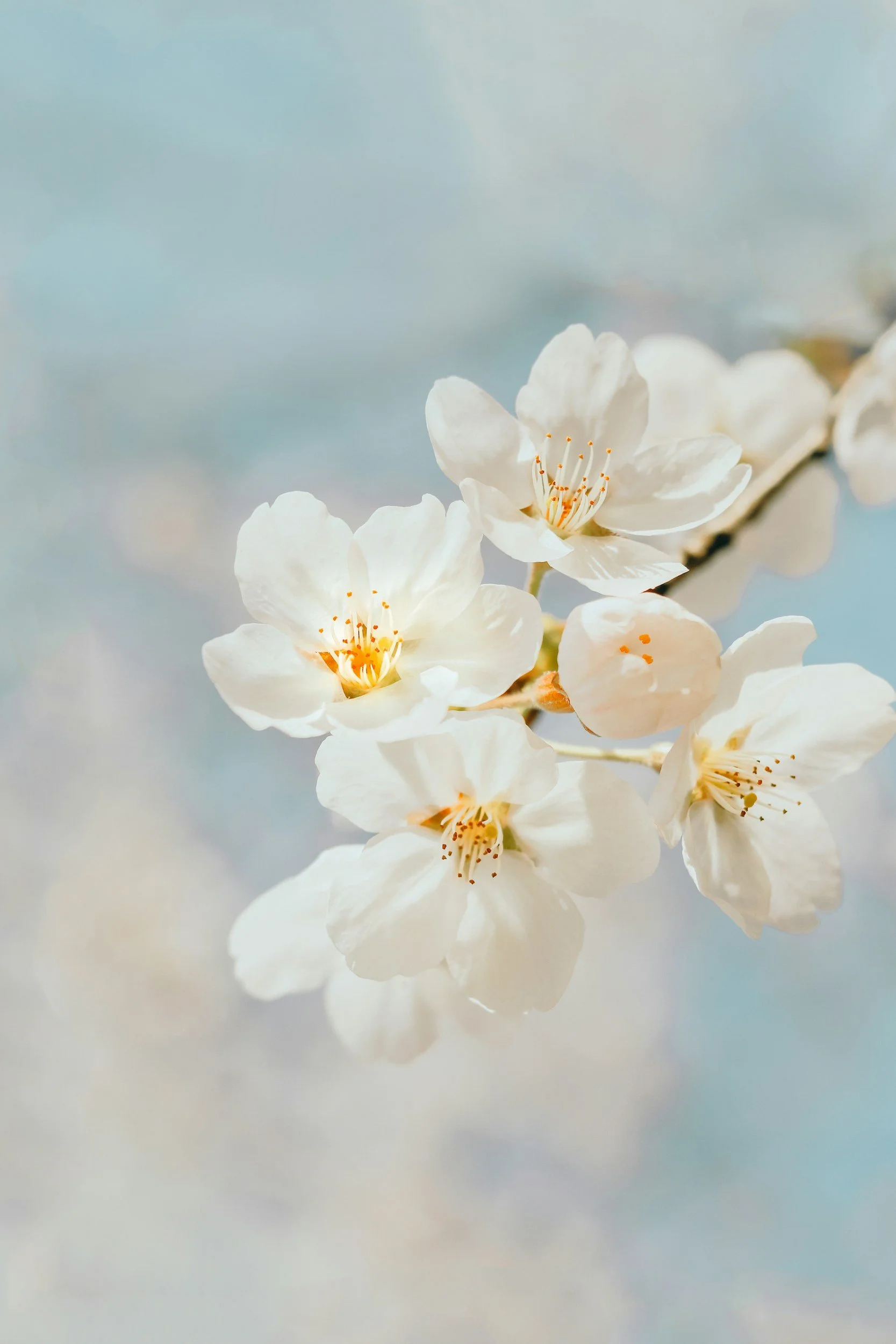
What is truth, really? Is it universal, or does it live in the eye of the beholder, your truth versus someone else's truth?

As We Evolve, So Must the Way We Serve
There are seasons for movement, and there are seasons for stillness.
For the next two months, there will be a sacred pause—a conscious space between what has been and what is becoming.
A pause is not an absence of purpose. Sometimes it is where purpose becomes clearer.
We are continuously evolving, and so is the world around us. Communities change. Needs change. Conversations shift. What was necessary five years ago may not be what is needed today. And the way we once contributed, served, or cared for others may need to evolve alongside those changes.
The Benefits of Sound Healing
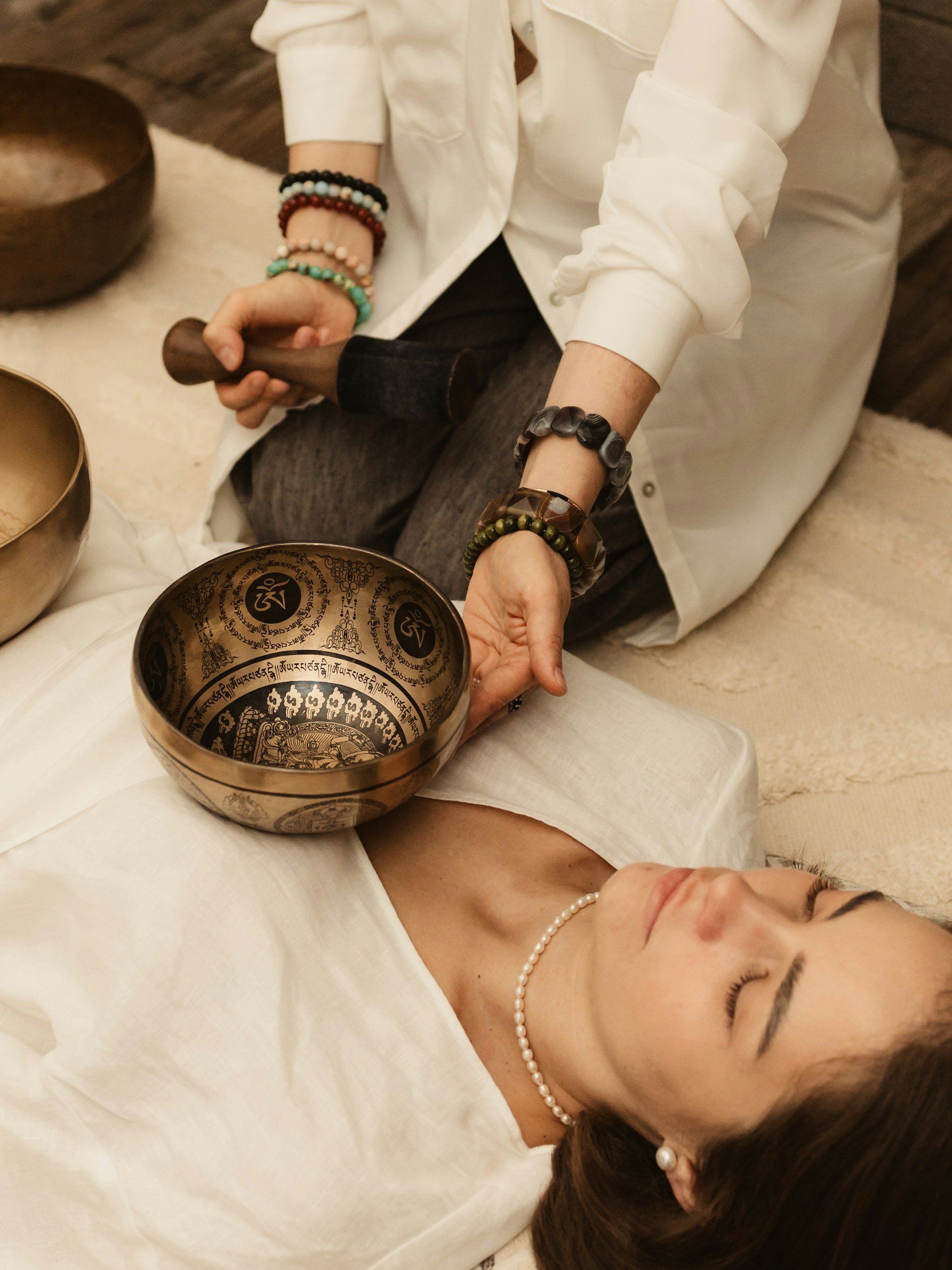
Sometimes wellness isn't about doing more. Sometimes it's about creating enough stillness for the body and mind to settle.
Sound healing is a practice that uses sound and vibration to support relaxation and well-being. Sessions may include singing bowls, gongs, chimes, tuning forks, drums, or the human voice.
For many people, the experience offers something surprisingly simple: permission to stop, listen, and receive.

Your Body is Always Communicating
With so much information available about nutrition, it can be easy to forget one of our most valuable sources of information: our own body.
We read about the best foods, follow nutrition trends, track what we eat, and learn what is considered “healthy.” But what works well for one person may not feel the same for another.
This is why learning to tune into your body matters.
Your body is constantly communicating with you.

Tao Te Ching #7 : Heaven and Earth Last Forever
Tao Te Ching #7: Heaven and Earth Last Forever
Heaven and earth last forever. Why do heaven and earth last forever? They are unborn. So ever living. The wise stay behind, and are thus ahead. They are detached, thus at one with all. Through selfless action, they attain fulfillment.

Why the Person You Choose to Guide Your Health Matters More Than the Protocol
Because the truth is, the most important thing a health practitioner brings to you is not their certification. It is their presence. Their groundedness. The degree to which they have genuinely walked the path they are asking you to walk.

A Simple Formula for Good Health: Presence, Harmony, Sustainability
We have overcomplicated health.
There are more wellness programs, nutrition plans, fitness protocols, and biohacking strategies available today than at any point in human history. And yet so many people still feel tired, disconnected, and unsure of what their body actually needs.

The Race Nobody Signed You Up For
The quality of your attention is the practice. Not the duration. Not the difficulty. Not the impressiveness of what you're doing. The depth of how you're inhabiting it.

Less Performance, More Presence
Performance doesn't begin as deception. It begins as survival.

Why Do We Place the Tongue on the Roof of the Mouth in Qigong?
One of the small instructions that often appears in qigong practice is this:
“Rest the tongue lightly on the roof of the mouth.”

Taiwan Poured Me a Cup of Presence
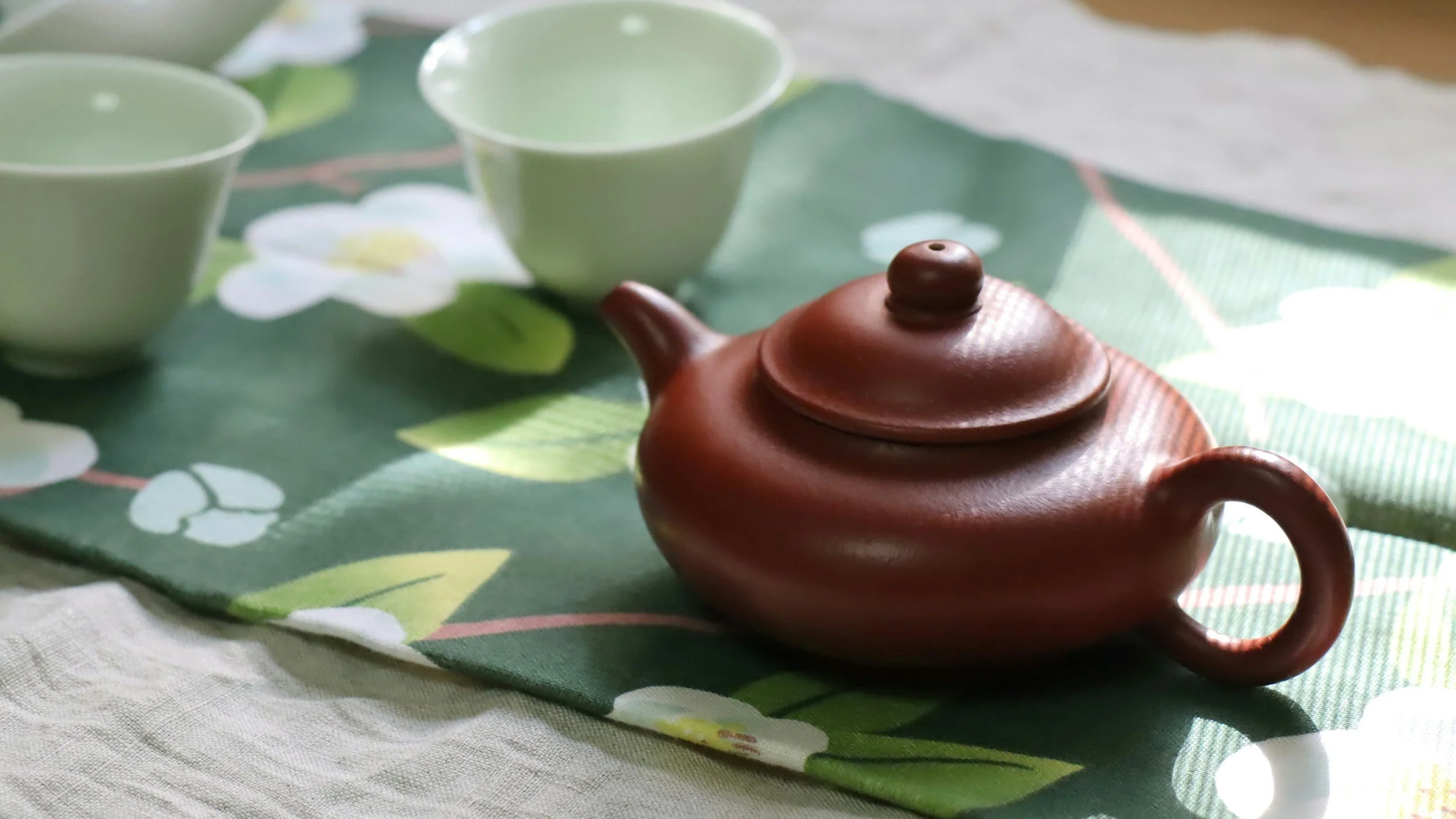
Tea culture in Taiwan didn't feel curated or ceremonial for the sake of appearance. It felt like a way of being, an unspoken agreement that the day deserves pauses, that gathering around something warm is reason enough to stay a little longer. No pressure to optimize the experience. No performance. Tea simply existed as a reason to sit, to welcome, to remain.

Pure Presence: Acupuncture, Qigong, and the Practice of Sustaining Energy
Find what brings you into presence.
Presence allows harmony to be felt.
Harmony allows energy to be sustained.
I Have Suffered Deeply, and I Have Loved Deeply, By Choice
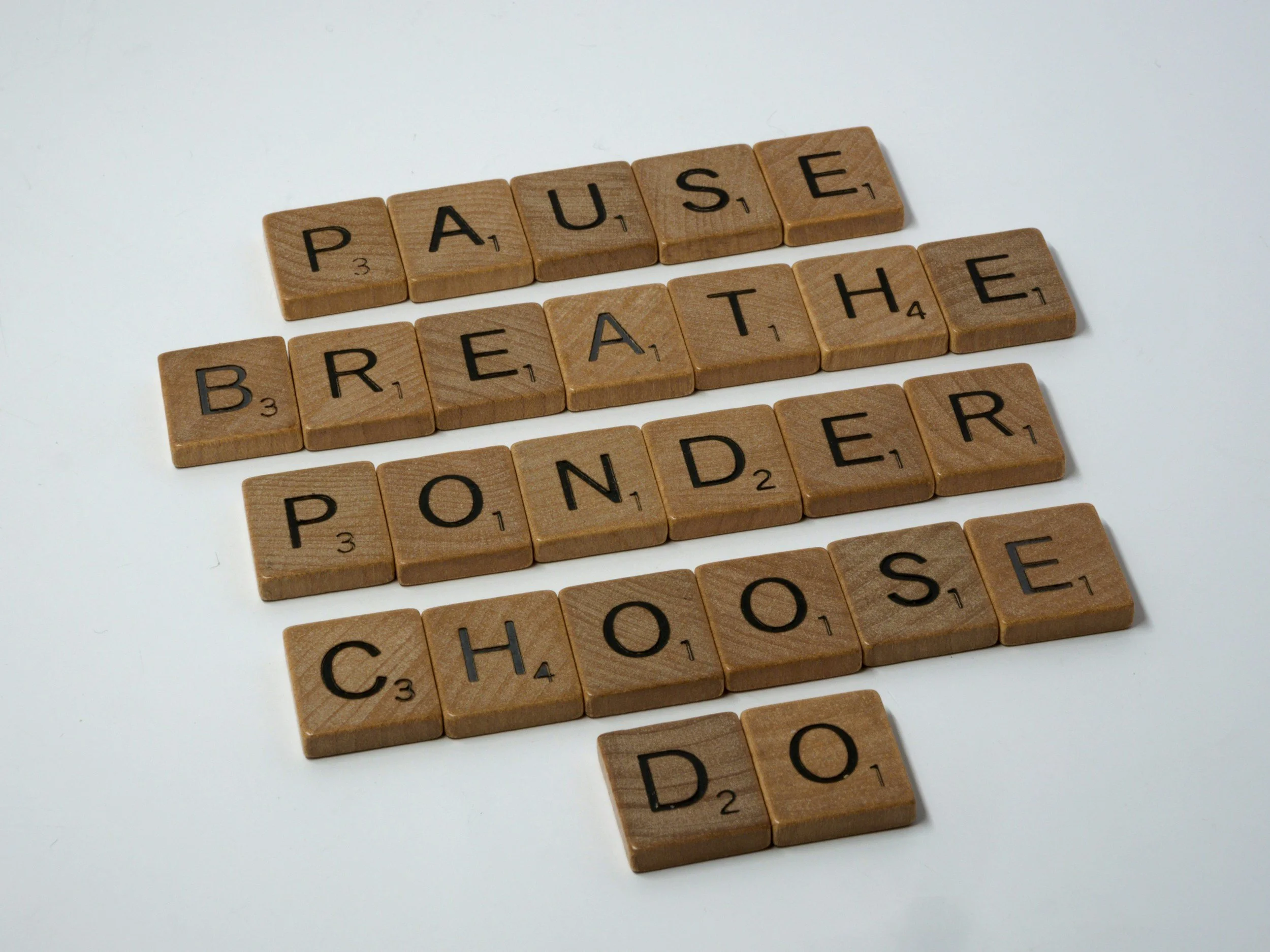
I have suffered deeply, by choice. I have loved deeply, by choice.

Nervous System Nourishment at Goldenseal Skincare
With over 20 years of experience, Tarren brings together her background in herbalism, nutrition, lymphatic drainage, craniosacral therapy, Reiki, and holistic skincare. Her facials are completely individualized, incorporating facial massage, lymphatic support, herbal treatments, and education around nutrition, lifestyle, and daily self care rituals. Every aspect of her work reflects her philosophy of treating the whole person, not just the skin.
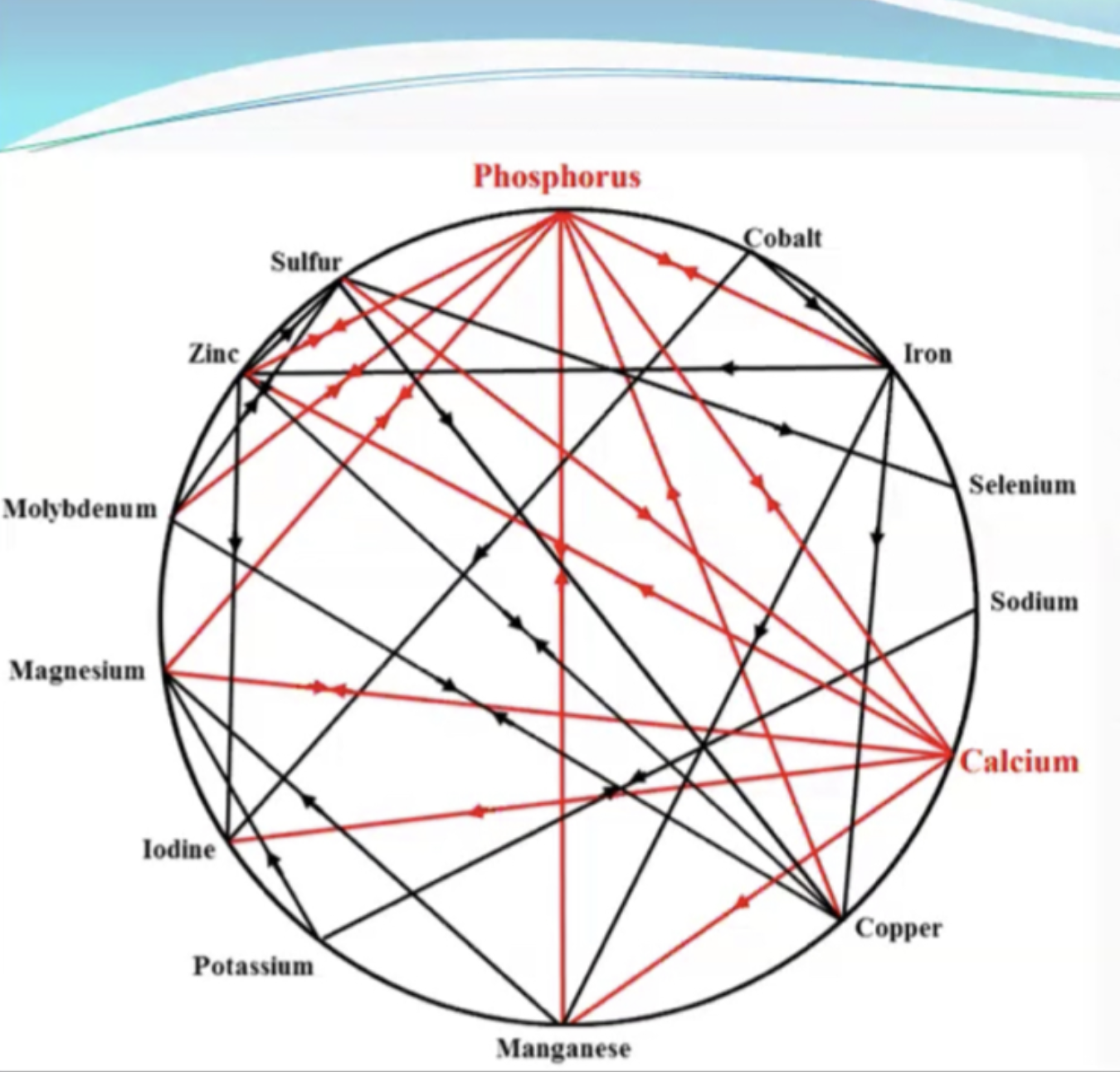
Understanding the Mineral Wheel: How Minerals Work Together in Your Body
If you’ve ever taken supplements or looked into nutrient balance, you’ve probably come across the mineral wheel. It’s one of the most useful tools for understanding how minerals interact in the body — because minerals don’t work in isolation. They support, suppress, enhance, and compete with each other in ways that can meaningfully affect your energy, mood, hormones, and overall health.
Image: NTA
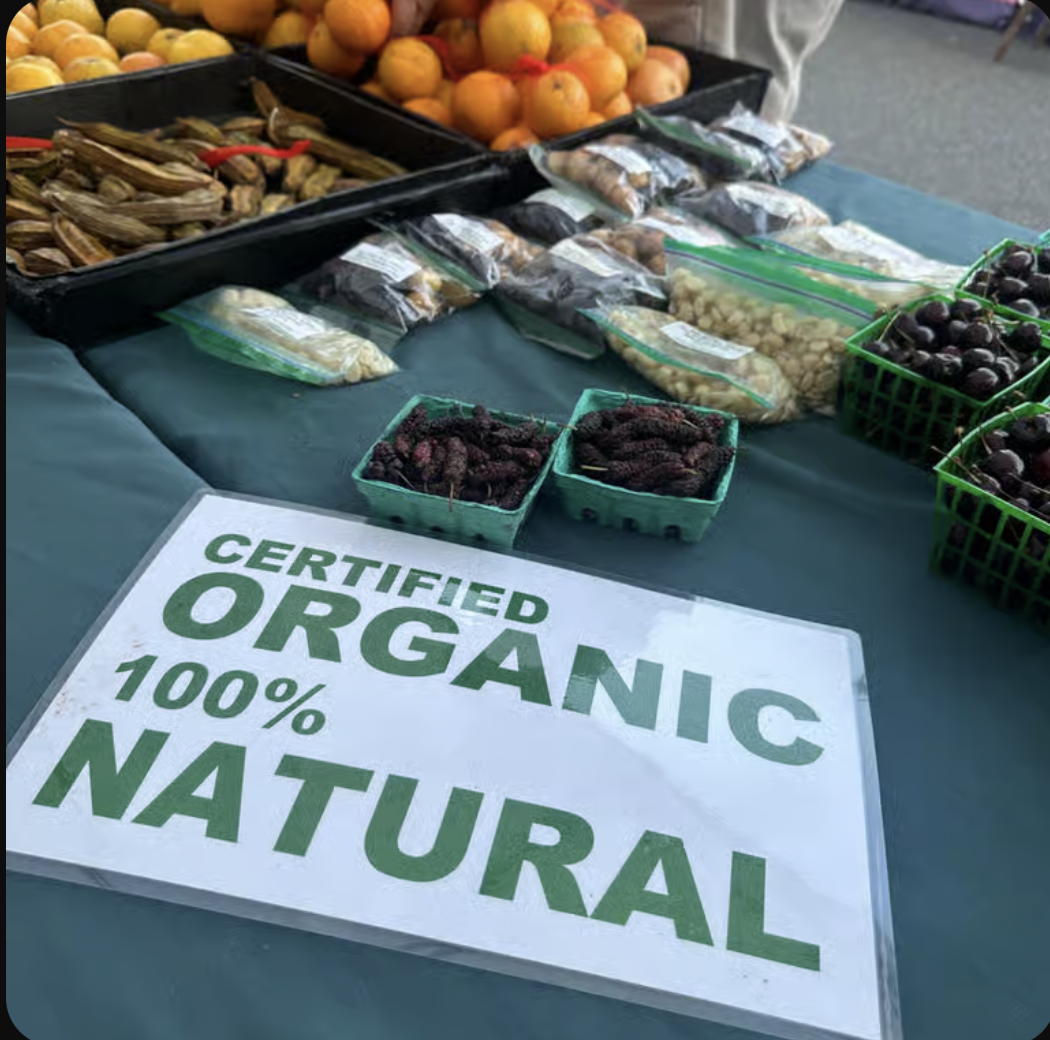
Watching Native Fields Grow: A Love Letter to a Local Gem
I started going to Native Fields when it first opened. At the time, it was one of the only restaurants in the area offering organic, thoughtfully sourced food, and I was thrilled to discover it. It felt like such a gem.

Discovering RiseWell Mineral Toothpaste
A few months ago, I decided to try a new toothpaste and stumbled upon RiseWell. Since then, I've been thoroughly impressed with its performance and have gone through a tube quite quickly. Here's why I believe this toothpaste stands out in the crowded world of oral care.