
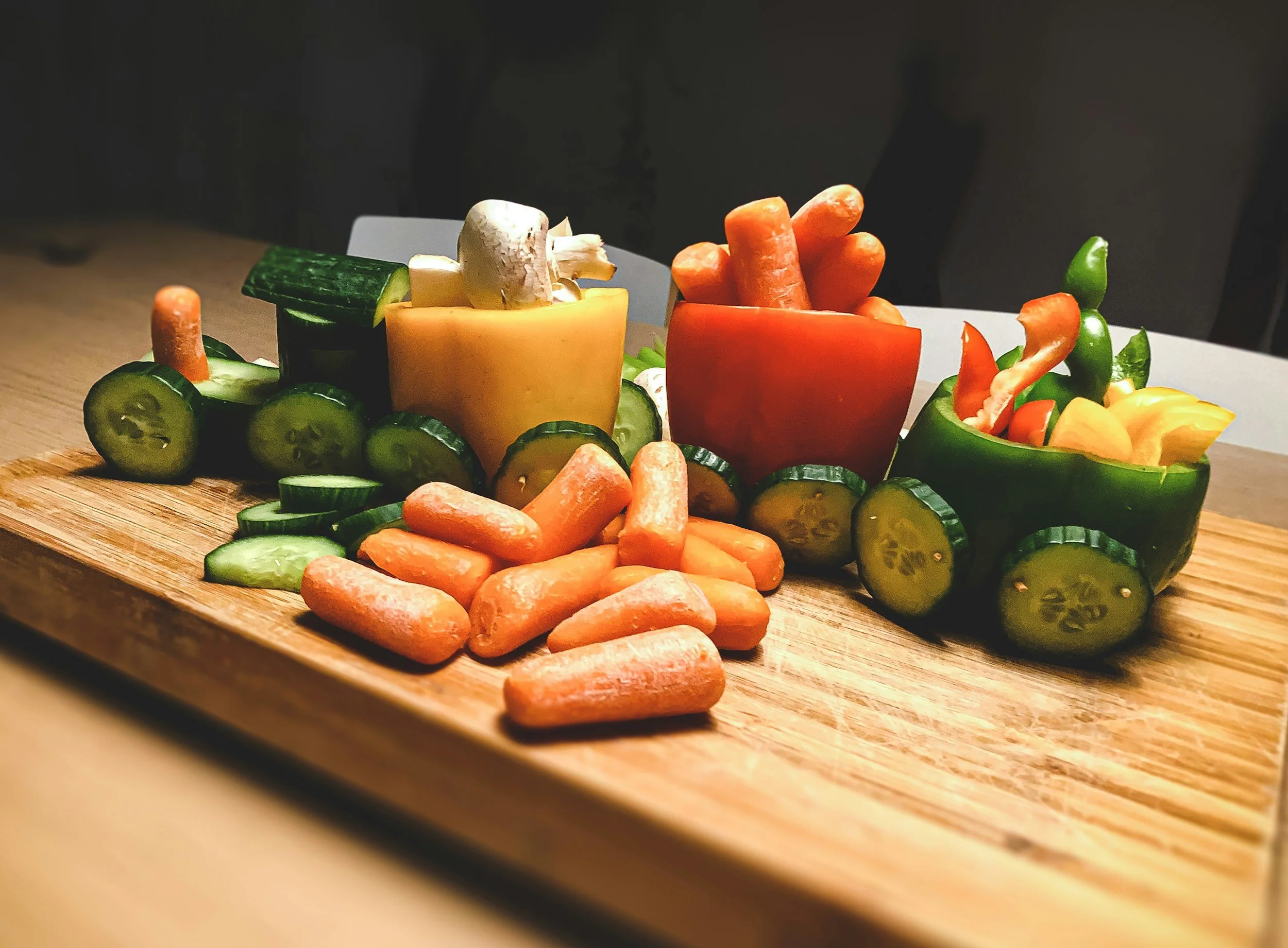
Nutrients Must Be Absorbed, Not Just Consumed
Most people think eating healthy is enough. If your plate is full of vegetables, lean protein, and whole grains, you’re doing everything right—right?
Not exactly.
There’s a critical piece most people overlook: your body only benefits from the nutrients it actually absorbs, not just the ones you consume.

Reproductive Health Isn’t Just About Hormones
When conversations about reproductive health come up, the focus is often placed almost entirely on hormones—estrogen, progesterone, testosterone, and the delicate balance between them. While hormones certainly play an important role, reproductive health is about much more than hormone levels alone.
At its core, reproductive health reflects whether the body has the resources, stability, and nourishment it needs to support growth and regeneration.

Eating with the Seasons: How Nature Aligns Nutrients with Our Body’s Needs
Have you ever noticed how certain foods seem to appear exactly when your body could benefit from them most? Crisp apples in the fall, citrus fruits in the winter, refreshing berries in the summer. This isn’t a coincidence. Nature has a remarkable way of aligning the nutrients in seasonal foods with what our bodies need during that time of year.
When we eat in harmony with the seasons, we’re often naturally supporting our bodies with the nutrients, hydration, and energy required to adapt to environmental changes.
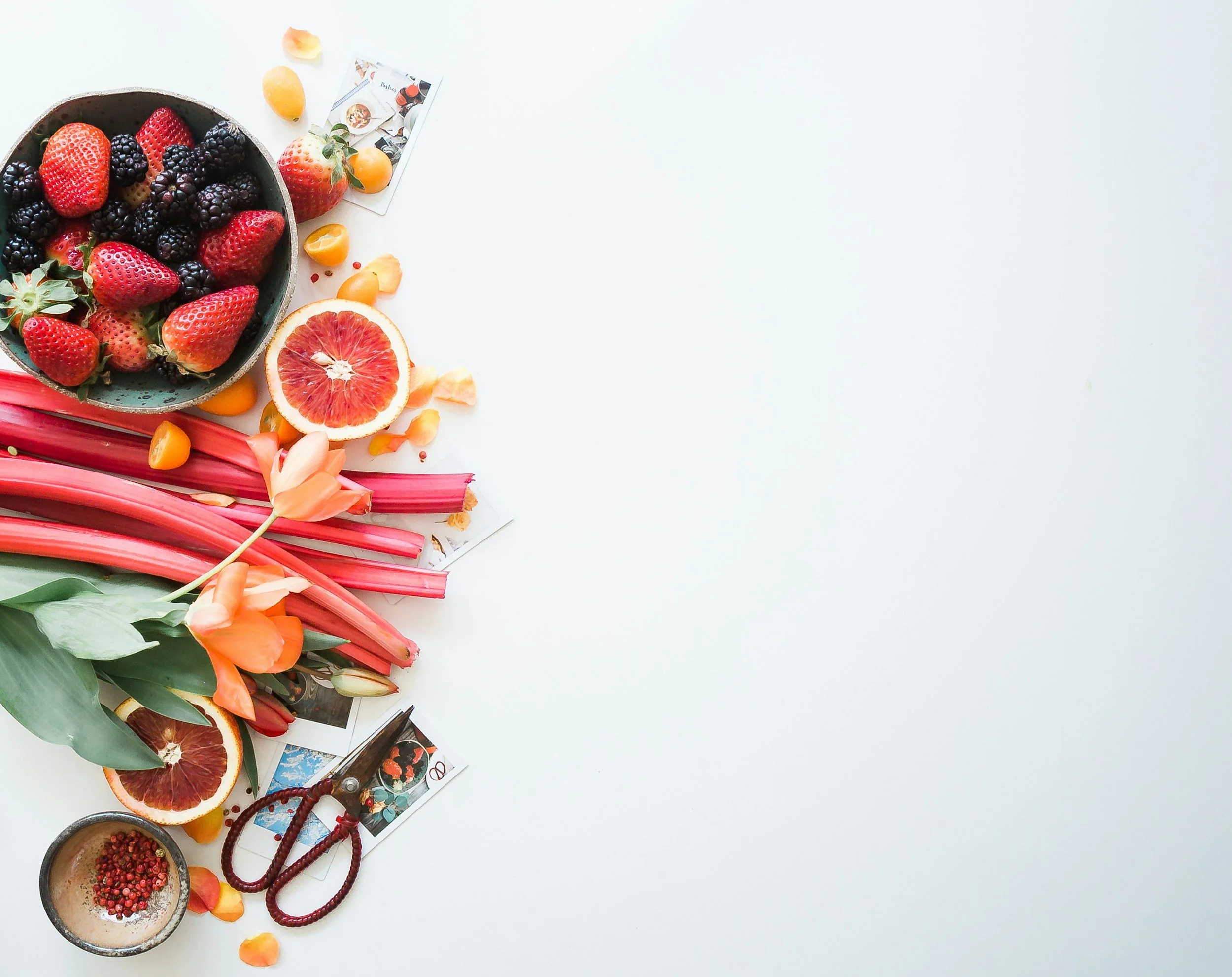
The Body Thrives on Abundance, Not Deprivation
Restriction activates stress physiology.
When we remove food without supporting the body, cortisol rises. Blood sugar becomes unstable. Cravings intensify. The nervous system goes into subtle survival mode.
But when we add nutrient-dense foods, something shifts.

Why Vitamins A, D, E, and K Are Best Taken With Food – and When
Fat-soluble vitamins—A, D, E, and K—play essential roles in the body, from supporting vision and immune function to maintaining healthy bones and circulation. Unlike water-soluble vitamins, these fat-soluble nutrients need dietary fat to be properly absorbed. Taking them on an empty stomach can significantly reduce their effectiveness.